I Want to Learn More About My Family History—Where Do I Start?
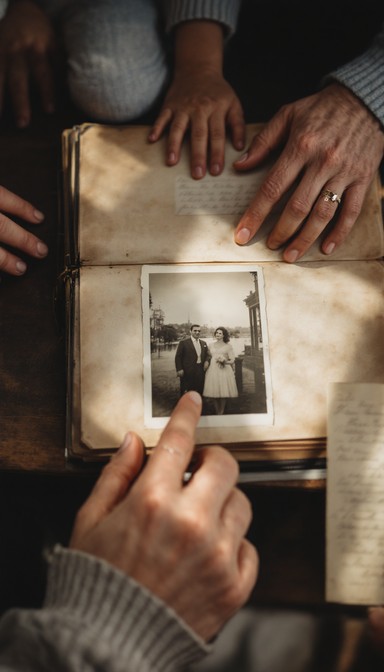
Almost everyone has felt it at some point. A name scribbled on the back of an old photo. A story half-told at a family gathering. A question that lingers: who came before me—and what did their lives look like?
If you're feeling the pull to learn more about your family history, you're not alone. Genealogy often begins not with records or charts, but with curiosity. The good news? You don't need to know everything to begin. You just need a place to start.
Start with a Goal—Not a Tree
One of the most common misconceptions about genealogy is that you begin by building an enormous family tree. In reality, the most meaningful research starts with a question.
Before you search a single record, pause and ask yourself three simple things:
- What do I already know? Names, places, dates, family stories—even guesses matter.
- What feels missing? A lost generation? An unknown birthplace? A story that never quite made sense?
- What am I curious to learn more about? One ancestor, one line, one moment in time can be enough.
Your answers become your compass. Whether your goal is to uncover an immigrant journey, understand a family rumor, or simply preserve what you already know, clarity here saves time—and keeps you grounded when the research gets overwhelming.
Choose Your Approach
Once your goal is clear, the next step is deciding how you want to explore it. There's no single "right" path—only the one that fits your curiosity and comfort level.
Many people begin with traditional research tools, such as platforms like Ancestry.com or FamilySearch.org. These databases offer access to census records, birth and death certificates, military files, and more—pieces of the paper trail that help reconstruct lives long past.
Others choose to add DNA testing to the journey. Genetic genealogy can open doors to previously unknown connections, confirm research, or raise new questions altogether. It's a powerful tool—but often most effective when paired with solid records and thoughtful interpretation.
Some researchers love the thrill of chasing documents themselves. Others prefer a guided or professional approach. Both are valid. What matters is choosing a method that feels sustainable and meaningful to you.
Take the Plunge—Your Way
Here's the truth many beginners don't hear: you don't need to do everything at once.
If you're exploring on your own, start small. Begin building a basic family tree. Interview relatives. Save documents as you find them. Watch as names turn into people—and people turn into stories. Genealogy has a way of deepening your roots quietly, one discovery at a time.
If you're ready for deeper research, clarity around complex family lines, or support navigating sensitive discoveries, you don't have to go it alone. Professional genealogists can help untangle records, interpret results, and respectfully uncover the stories that deserve to be told.
At Roots & Helixes, we partner with individuals and families who are ready to take their curiosity to the next level—whether that means breaking through a brick wall, making sense of DNA results, or preserving a legacy for future generations. Sometimes, having a guide makes all the difference.
Let the Stories Come Alive
Family history isn't just about names and dates—it's about context, resilience, migration, joy, loss, and connection. It's about understanding where you come from so you can more fully understand yourself.
Where you start matters less than that you start.
So begin with a question. Choose an approach. Take the plunge in a way that feels right for you. And when you're ready to go further, know that your story—and your roots—are worth discovering.
Ready to Begin Your Search?
If you'd like guidance along the way, we'd love to help. Let's bring your family history to life together—reach out anytime for a free consultation.
Schedule Free ConsultationRelated Articles
Why Family History Matters in Today's World
Family history invites us to slow down and look inward—reminding us that every moment we inherit was once lived by real people.
5 Essential Records Every Genealogist Needs
Discover the key historical documents that can break through your research brick walls and connect you with ancestors from generations past.